
Amarillo Business CPA AlternativeCPA Amarillo closes the books
We keep the books until the bank statement matches the register, we set payroll up on the company you already pay, and Steven Palmieri, a Tax CFO and the Entrepreneur's CFO, writes the return while the year can still change.
Matching dollars on the statement date finish the month.
Bring the county the notice names, and the month you last trusted.
Payroll stays on the company you already run.
Keep the books current

You will be talking to the Steven Palmieri practice.
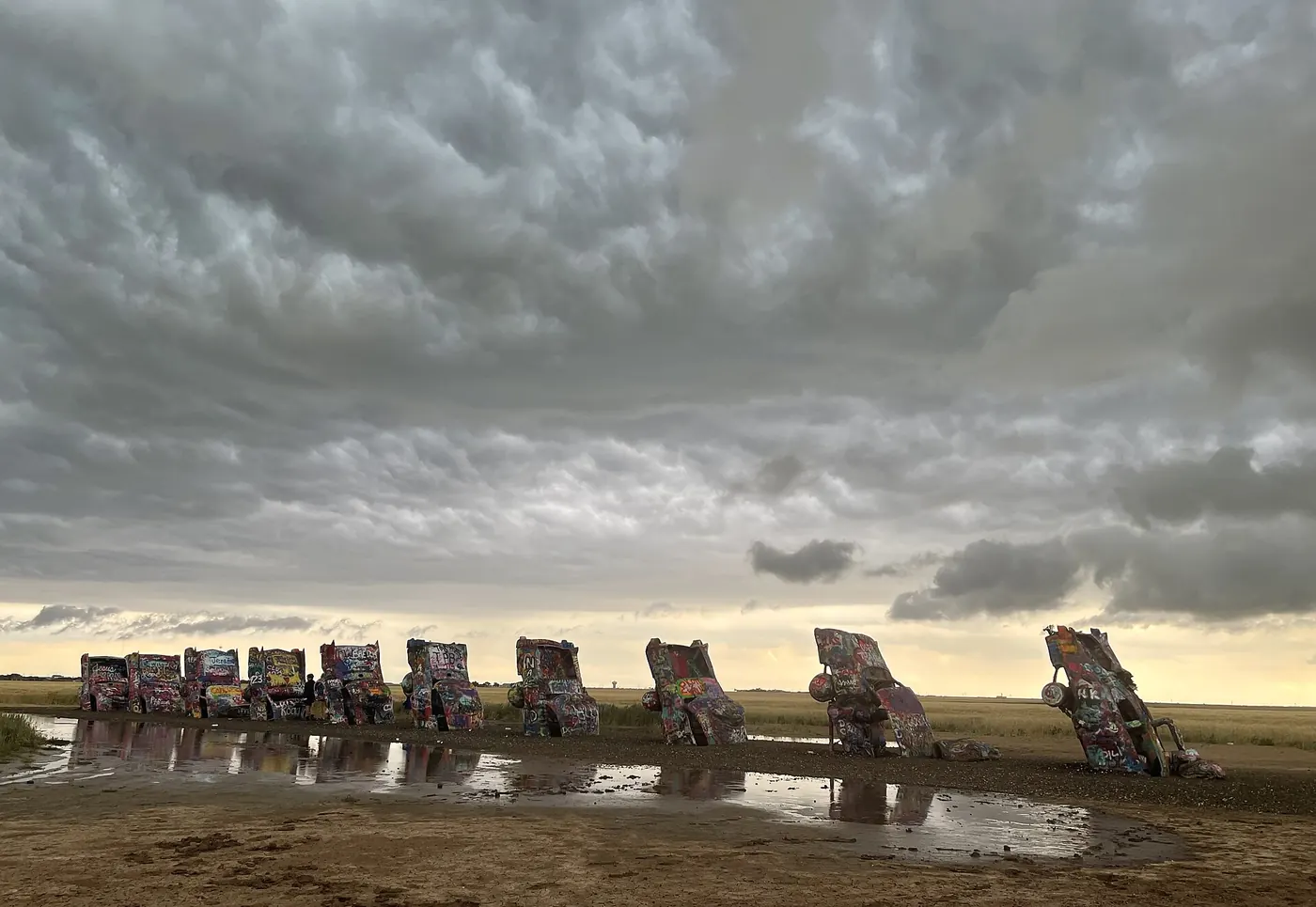
Ten cars on a depreciated roll
Every Texan can picture those Cadillacs nose down west of town. We write the depreciated figure.
Click to see both counties ›Tap to see both counties ›
The rate on a night out
Every Texan knows that yellow steakhouse on the interstate. We check the receipt's address before the rate.
Click to check sales tax ›Tap to check sales tax ›
The rider, then the May report
Every Texan can picture the canyon rider carrying the state flag. The May filing is built only from months we have already closed.
Click to read May filing ›Tap to read May filing ›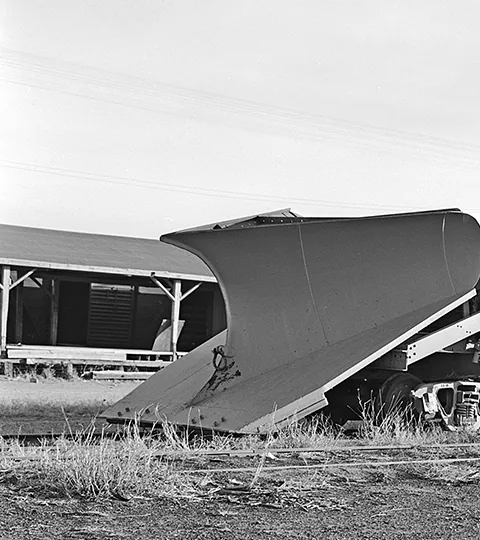
What April asks you to report
April asks for the January list of what the business owned. We rebuild it from the books.
Click to read April dates ›Tap to read April dates ›
Papers before the software
The return waits on the papers and a closed month. Software starts after the statement matches.
Click to see the papers ›Tap to see the papers ›
Grain, freight, and payday
Every Texan knows the grain elevators and the freight yards in this part of the state. Payday stays on the company those shops already run.
Click to see payday ›Tap to see payday ›
Six letters owners get
Open the letter that matches the one you are holding.
1A notice that names Potter
A notice that names Potter
The district on that side is the one that mailed it. The city printed on the envelope is not the county.
Read the two columns, then send the county the notice printed.
2A notice that names Randall
A notice that names Randall
Randall's rate is not Potter's rate, even when the mailing city says the same thing.
Match the notice to the Randall column before anyone rebuilds a list.
3The April rendition
The April rendition
It lists what the business owned on the first of January. It is a different paper from the income tax return.
Rebuild the list from the books while a written request can still move the date.
4A delivery past the city line
A delivery past the city line
The stack inside the city is a state piece and a city piece. A point past the line is a new lookup.
Set three months of invoices beside the locator before the next return is charged.
5May, and the margin tax is zero
May, and the margin tax is zero
Zero due does not retire the franchise report. The report is still filed.
Close the months the report will be built from, then file it.
6A cover that wants a signature
A cover that wants a signature
That cover is a different paper from the monthly close. We say so when you call, and the books keep moving.
Open Disclosures when a lender asks for a signed opinion. This door still takes the monthly close and the year's return.
Steven Palmieri, Tax CFO
The Entrepreneur's CFO. Books, payroll setup, and the return for owners in Amarillo.
Click to meet the practice ›Tap to meet the practice ›Bring the books over
The practice is in Dallas. We meet owners in Amarillo by video, and the books still close on the date we set.
You will be talking to the Steven Palmieri practice.
The rates, the dates, and both counties
Amarillo sits on two counties, and the notice already picked one. Potter's county rate is 0.59024 per 100 dollars. Randall's county rate is 0.40099 per 100 dollars. Those two numbers are what an owner pays on each 100 dollars of value. They say nothing about how the map is divided, and they say nothing about acreage. Averaging them would invent a city that is not on the appraisal roll.
The Comptroller calls the appraisal district Potter-Randall, CAD ID 188. The notice is the paper that says which side you are on. A mailing city is not a county. We read the district title before we rebuild a list of what the business owns.
Sales tax at the point recorded for the city is a state piece of 6.25 percent, local code 1, plus a city piece of 2 percent, local code 2188013. The locator total is 8.25 percent. No county sales piece appears in that result. A delivery past the city line is a new lookup, not a guess from memory. Outside the city, Potter Assistance District No. 1 adds 2 percent, and Randall Assistance District No. 1 adds 0.5 percent. Hotel occupancy under chapter 351 is 7 percent on the same file, and it is not part of the sales stack.
School districts cut across the same ground, and the map is not the same thing as the value. Amarillo ISD covers most of that ground, mostly in Potter. Canyon ISD covers a smaller share, mostly in Randall. Highland Park ISD covers a thin share, mostly in Potter. A notice that names a district is the document to follow. A share of the map does not tell you what the property is worth.
The rendition is due 15 April. A letter to the district can push that date to 15 May, which is the extra time Tax Code section 22.23 allows. After the notice arrives, mark the day it came and add thirty days, and also mark 15 May. Section 41.44 says the protest may use the date that comes second of those two. No penalty rate is printed on this page, because the source we copied does not give one. Equipment that left the yard can remain on a schedule nobody rebuilt. The rendition follows that schedule until the books are used to rebuild it.
The franchise report is still filed when margin tax is zero. Margin tax falls away at 2,650,000 dollars of revenue, and the report remains. The compensation the franchise math is allowed to count stops at 480,000 dollars. Goods that leave a counter are priced at 0.375 percent, and a service the business performs is priced at 0.75 percent. Past 20 million dollars of revenue, the EZ rate is 0.331 percent. The annual report date is 15 May. Those franchise figures belong to the report years we copied. A zero balance does not retire the filing.
A month can wear a finished mark and still hide items dated before the statement. We hold the statement balance against the register balance on the statement date before we call the month closed. The return is written after that, not beside an open month. Pass-through owners get the entity return finished before the personal return starts. When the entity return is extended, the personal return waits on those same pages.
The election already on the file decides the return. Until we read that election, we cannot tell a personal return from an entity return. No threshold math is offered before that reading. A choice still open this year is named before December, while the year can still change.
The year a truck counts is the year it is placed in service. The year it was ordered is a separate fact. We do not slide one date onto the other, and we do not print a deduction on this site.
The payroll company you already pay is the one we set the file up on. Payday itself never leaves that company. Reports have to come back, or the close and the return will not show the same wages.
The notice names one county, and the depreciable roll has to follow that county. A machine still on the list after it left the yard is the same problem as a month marked finished while the register and the bank statement still differ. We hold the statement balance against the register on the statement date before that month is called closed. That date is the one printed on the bank page, and a busy Friday night does not move it. The morning after is still the same statement.
We keep both county rates on this page so the call does not open on a blank sheet, and we still read the district on the notice before either rate is used.
The Cadillac figure, the steakhouse address, the May report, and the grain-yard payday each stay on the books after the tile is closed. A visitor who wants the longer version finds it in this same month the notice named.
West of town the Cadillacs sit nose down in the dirt. A visitor remembers the paint. The figure we write is the depreciated one, and it lands on the books with the county the notice already named.
The yellow steakhouse on the interstate still prints a rate on the receipt. The address on that receipt is what we check before the rate is allowed into the month.
A rider with the state flag in that canyon is a picture every Texan can hold. The May report is still filed from months that already closed, whether or not the canyon show is on.
Grain elevators, freight docks, and energy shops carry the payroll we set up. Payday stays on the company those shops already use, and the books keep that payday in the month it was paid.
Every Texan who has driven the feed yards knows how much of the nation's cattle finishes in this region. We still close the books for the month those yards belong to before a return uses the numbers.
Every Texan has heard that one runway in Amarillo ranks among the longest in the country. We ask which year a machine was placed in service, and the books keep that year apart from the day it was ordered.